Michael and I spent that night in a hotel.
Not the Hawthorne.
I couldn't bear the thought of walking through that lobby again so soon.
We checked into a small place twenty minutes away, the kind of hotel Diane would have called “perfectly adequate” with enough contempt to make it sound condemned.
I loved it.
The sheets were plain.
The carpet was ugly.
Nobody knew our name.
At two in the morning, I stood barefoot by the window eating crackers from a vending machine because the baby had suddenly decided I was starving.
Michael sat on the edge of the bed.
Neither of us had said much since leaving his parents' house.
Eventually he spoke.
“I should have believed you sooner.”
I kept looking out the window.
“Yes.”
He nodded.
No excuses.
That helped.
“I've spent years thinking keeping the peace was the same as protecting people.”
I turned.
“And now?”
“Now I think it mostly protected Mom.”
I sat beside him.
“She trained everyone to make her comfortable.”
“I know.”
“No. I don't think you knew.”
He looked at me.
“Maybe I didn't want to.”
That, more than anything else, sounded true.
He rested his elbows on his knees.
“When I was a kid, if she got angry, the whole house changed. Dad worked longer. Daniel disappeared into his room. I learned how to calm her down.”
“So you kept doing it.”
“Yes.”
“With me.”
“Yes.”
The word hurt.
But honesty sometimes hurts differently.
Cleanly.
Like disinfectant in a wound.
“I don't know what happens next,” he said.
“Neither do I.”
“Do you want me to cut her off?”
I shook my head.
“That has to be your decision.”
He looked surprised.
“I mean for you and the baby.”
“For me and the baby, I do have conditions.”
“Tell me.”
“She doesn't come to our home without being invited.”
“Okay.”
“She doesn't make decisions about the baby.”
“Okay.”
“She doesn't insult my body, my parenting, or me and then call it humor.”
“Okay.”
“If she threatens Elena again, we're done dealing with her until she makes it right.”
Michael nodded.
“And if she ever touches or destroys my things again—”
“She won't.”
I looked at him.
He corrected himself.
“If she does, we leave immediately.”
“Good.”
He took my hand.
“I am sorry.”
I wanted to tell him forgiveness would come quickly.
It didn't.
But maybe that was another habit I needed to lose—the belief that healing had to happen fast to be real.
“I know,” I said.
The next morning, Elena called.
Her voice trembled.
“Mr. Robert asked me to come back to work.”
“Did Diane fire you?”
“She tried.”
I closed my eyes.
“Of course she did.”
“Mr. Robert stopped it.”
“Are you okay?”
“Yes.”
A pause.
“No.”
I appreciated the correction.
“Do you want to go back?”
“I don't know.”
“You don't owe them your silence.”
“I know.”
“And you don't owe them your employment either.”
“I know that too.”
She sighed.
“My husband says we will manage if I leave.”
“What do you want?”
“That is the strange part.”
“What?”
“No one has asked me that for a very long time.”
I smiled sadly.
“Well. I'm asking.”
She was quiet.
“I think I want to resign.”
“Then resign.”
“And the videos?”
“They're yours.”
“I made copies for you.”
“Elena—”
“For your protection.”
I didn't argue.
“Thank you.”
Before we ended the call, she said, “Anna?”
“Yes?”
“I am sorry about your dress.”
I looked toward the hotel chair where the black maternity dress from the night before lay folded.
“So am I.”
But when I hung up, I realized the grief felt different.
I no longer missed only the dress itself.
I missed the version of myself who had been so desperate to be accepted that she thought the right fabric might finally make Diane see her as family.
That woman had disappeared somewhere between the scissors and the security footage.
Maybe that wasn't entirely a loss.
Three days later, Elena resigned.
Robert gave her six months of severance and arranged continuation of the health benefits long enough for her to transition to another plan.
Diane objected.
I heard this from Michael, not Elena.
Apparently Diane called it “rewarding betrayal.”
Robert called it “taking responsibility.”
Their marriage entered a cold period after that.
I refused to make it my business.
Daniel contacted Claire.
He did not tell me what she said, and I didn't ask.
A week later, however, I received a message from a number I didn't recognize.
This is Claire.
I stared at it.
Another message came.
Daniel told me what happened.
Then:
I spent years thinking I had imagined things.
I sat at our temporary apartment kitchen table, one hand resting on my belly.
I typed carefully.
You didn't.
Three dots appeared.
Did Elena really save recordings?
I hesitated.
Yes.
Does she have one from the Christmas dinner?
I remembered the video.
Diane entering the laundry room with Claire's burgundy dress.
The bottle in her hand when she came out.
There is footage from that day.
Minutes passed.
Then Claire wrote:
I knew it.
A second message followed.
No. That's not true. I didn't know. I suspected it, and everyone made me feel crazy until I stopped trusting myself.
My throat tightened.
I understood that sentence too well.
I'm sorry.
Claire replied:
Don't be. You proved it.
I stared at those words.
No.
I hadn't.
Elena had preserved evidence.
The camera had recorded it.
Michael had finally believed me.
Robert had stood up to his wife.
Daniel had asked his own questions.
But the truth had existed before any of us acknowledged it.
That was the point.
Diane's greatest power had never been making lies true.
It was making everyone else doubt what they already knew.
You proved it, Claire had written.
I typed back.
We stopped pretending we didn't see it.
That felt more accurate.
Over the next month, the family shifted in ways I hadn't expected.
There was no dramatic public announcement.
No legal battle.
No grand exile.
Real families rarely resolve themselves as neatly as stories do.
Some relatives called me privately and apologized for not intervening at the gala.
Others stayed silent.
Margaret told Michael that Diane had “always been difficult” but thought exposing her at dinner had been cruel.
Aunt Caroline disagreed.
Daniel refused to attend dinner at his parents' house for several weeks.
Laura sent me flowers.
I threw them away after three days because the smell made me nauseous.
Pregnancy continued whether family dynasties collapsed or not.
I still had appointments.
Heartburn.
Insomnia.
A child who treated my bladder like a trampoline.
Life remained ordinary enough to save me.
Diane did not contact me for twenty-three days.
On the twenty-fourth, a letter arrived.
Not a text.
Not an email.
A letter.
The envelope was cream colored.
My name was written in Diane's sharp handwriting.
Michael offered to open it.
I shook my head.
“No.”
I sat at the kitchen table and opened it myself.
The letter was three pages.
For the first page and a half, Diane explained.
She talked about pressure.
Family expectations.
The gala.
How difficult it had been to feel excluded from decisions about her first grandchild.
How quickly Michael's priorities had changed.
How she had believed I was intentionally challenging her.
Then, halfway down page two, one sentence appeared.
None of that gave me the right to destroy your dress.
I stopped reading.
My eyes filled.
Not because it was enough.
Because it was the first sentence from Diane that did not contain an escape door.
I continued.
She admitted cutting the dress.
She admitted deleting the recording afterward when she'd realized the hallway camera would show her entering with scissors.
She admitted confronting Elena.
She wrote that she had not thought of her conversation with Elena as a threat at the time, but understood now that mentioning employment and insurance had made it one.
I disagreed with the part about not realizing it.
Diane always knew exactly where pressure hurt.
But I kept reading.
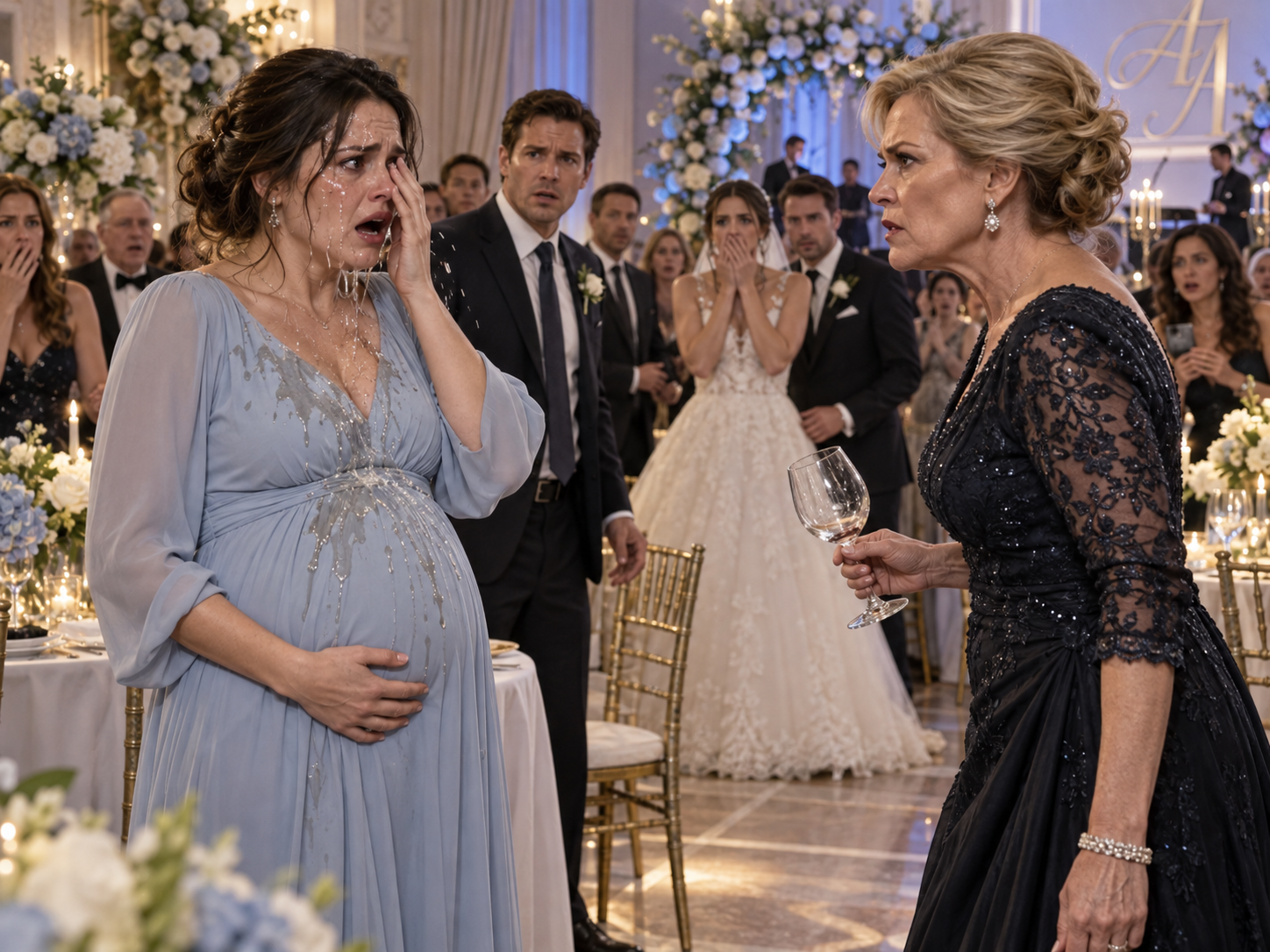
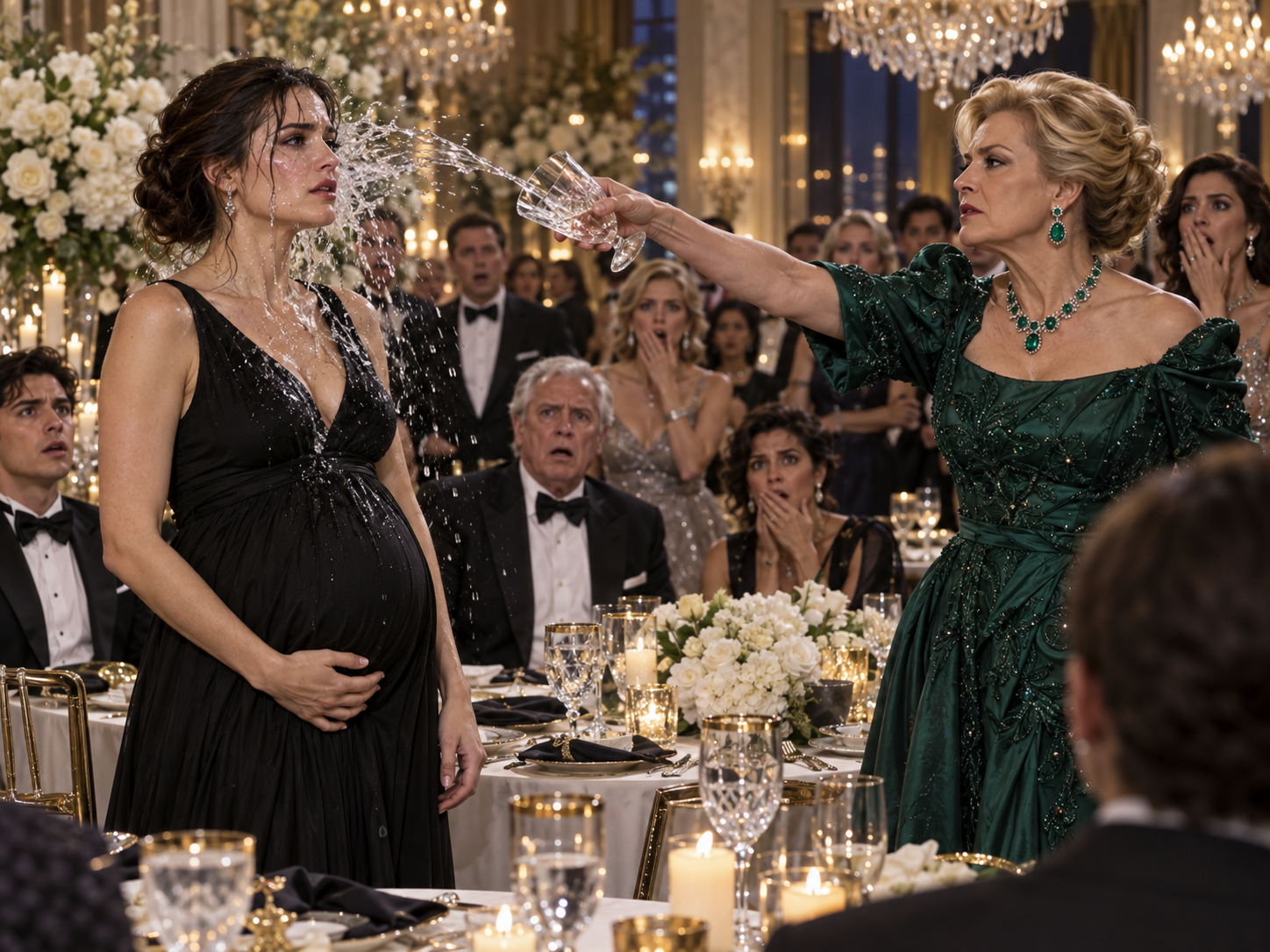
She apologized for throwing water at me.
She apologized for her comments about my body.
Then came the line I expected.
I hope, in time, we can put this behind us for the sake of the baby.
I set the letter down.
There she was.
Still Diane.
Even in apology, she wanted a destination.
A schedule.
An outcome.
For the sake of the baby.
I picked up a pen.
I didn't reply immediately.
I waited two days.
Then I wrote:
I accept that you have acknowledged what you did.
That is not the same as trust.
Trust will not return because we are having a baby. If it returns, it will be because your behavior changes consistently over time.
Our child will not be used to pressure us into pretending nothing happened.
For now, I need distance.
Anna.
Michael read it before I sent it.
He nodded.
“Good.”
“You think she'll hate it.”
“Yes.”
I laughed.
“So do I.”
We mailed it anyway.
A month before my due date, Michael and I moved into a small house fifteen minutes from his parents.
We had been planning to buy eventually.
Diane's actions simply made eventually arrive faster.
The nursery had pale yellow walls.
Not blue.
Not pink.
Yellow.
I chose them because I liked them.
That was enough.
One afternoon, while unpacking a final box from the Whitmore house, I found the garment bag.
My breath caught.
I had forgotten I'd asked one of the staff members to pack the ruined blue dress.
For several weeks after the gala, I thought about throwing it away.
Instead, I unzipped the bag.
The silk was still beautiful where it had survived.
The cut across the skirt was viciously clean.
One strap hung loose.
The bodice was split.
I ran my fingers over the fabric.
The old hurt returned.
But not the shame.
Never the shame.
Michael appeared in the doorway.
He saw what I was holding.
“You kept it.”
“I guess I did.”
“What are you going to do with it?”
“I don't know.”
“Throw it away?”
I looked down at the dress.
“No.”
I thought for a moment.
Then I smiled.
“I have an idea.”
The seamstress who had originally made the alterations almost cried when I brought it back.
“Who did this?”
I hesitated.
“My mother-in-law.”
Her eyes widened.
Then she looked at my stomach.
“Do you want me to repair it?”
“Can you?”