Stories worth slowing down for — new every evening
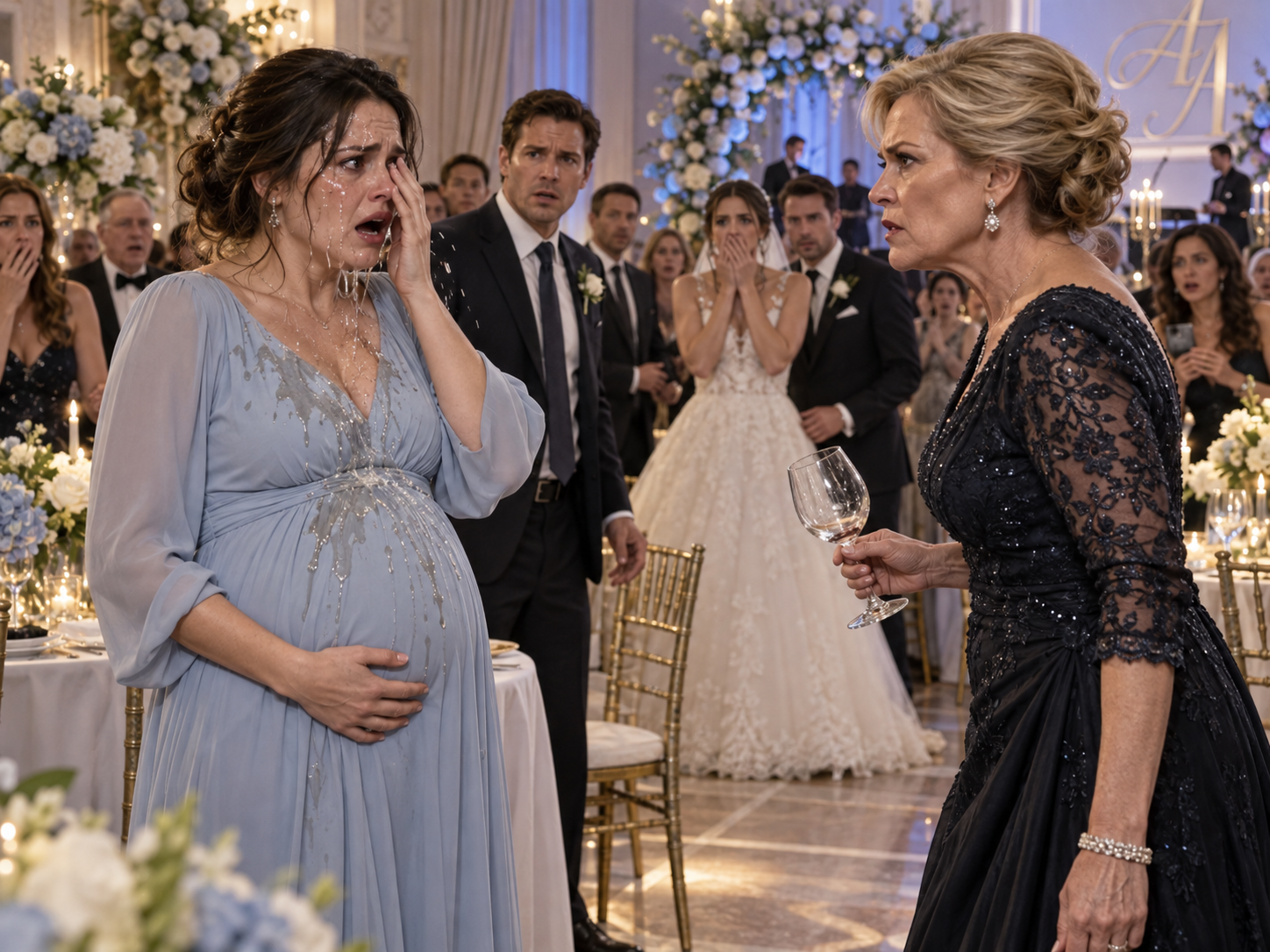
SHE THREW WINE IN MY FACE AT HER DAUGHTER’S WEDDING

Part 7: THE DOOR I OPENED MYSELF

THE DOOR I OPENED MYSELF

My daughter was born five weeks later.

Healthy.

Loud.

Furious at the world.

Perfect.

I named her Grace.

Not because anyone in Daniel’s family suggested it.

Not because it had some hidden meaning.

I named her Grace because when the nurse placed her against my chest, I understood that grace was not the same thing as surrender.

For years, I thought being gracious meant absorbing other people’s cruelty without reacting.

Keeping gatherings pleasant.

Giving second chances before anyone asked.

Understanding everyone else’s motives better than they understood mine.

I was wrong.

Grace could also mean clarity.

It could mean leaving without revenge.

It could mean telling the truth without embellishment.

It could mean refusing to carry shame that belonged to someone else.

Daniel was at the hospital for Grace’s birth.

Linda was not.

That decision created another explosion.

I did not participate in it.

When Linda called from a different number after I blocked hers, I answered once.

“You cannot keep me from my granddaughter,” she said.

“This is not about keeping anyone from anyone.”

“You banned me from the hospital.”

“Yes.”

“Because of one argument?”

“You locked me in a room.”

“I was trying to calm you.”

“You physically prevented me from leaving.”

“You were upset.”

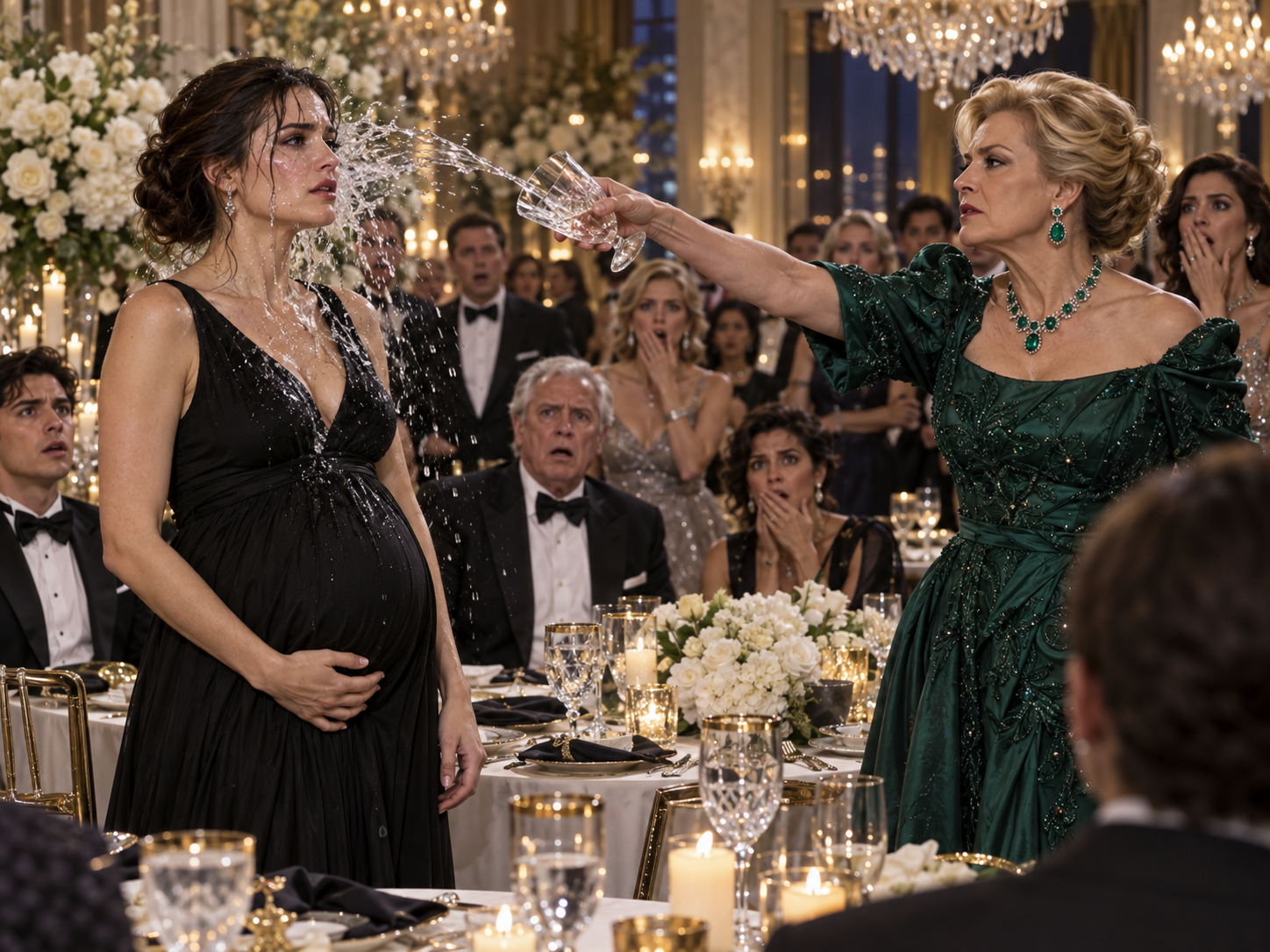
“You threw wine in my face.”

“You embarrassed me.”

There it was.

Nothing had changed.

I ended the call.

After that, communication went through Daniel.

Our financial investigation took months.

The documents Linda carried at the wedding were accurate.

One hundred eighty-five thousand dollars from my fund had been used directly or indirectly to settle Daniel’s failed investment obligations.

Additional joint savings had disappeared too.

The remaining debt was real.

So were the credit cards.

There was no secret second family.

No hidden gambling operation.

No mysterious criminal conspiracy.

Nothing dramatic enough to make Daniel’s betrayal easier to understand.

He had simply made a reckless financial decision, panicked, and chosen deception again and again because admitting the truth felt worse to him than violating my trust.

In a strange way, that was harder to forgive.

People imagine betrayal needs a monster.

Sometimes it only needs someone who is afraid of consequences.

Our attorneys negotiated the finances.

Daniel agreed that the missing funds would be treated as money owed to me in the separation.

He sold his interest in another asset.

His parents contributed some money, though I refused to negotiate directly with Linda.

The details were complicated.

The principle was not.

My money had been taken without my informed permission.

I wanted that fact documented.

I needed it documented.

Not because documentation healed me.

Because I was done allowing other people to rename what happened.

Emily visited me three days after Grace was born.

She brought flowers and a small silver bracelet engraved with Grace’s initials.

She sat beside the hospital bed and cried.

“I hate that when I think about my wedding, I think about Mom throwing wine at you.”

I reached for her hand.

“When I think about your wedding, I think about you opening the door.”

She looked at me.

“I didn’t.”

“Yes, you did.”

“The venue manager would have.”

“That’s not what I mean.”

Her eyes filled again.

“You were the first person in your family who said what happened was wrong.”

Emily stared at Grace sleeping beside us.

“I should have seen more.”

“No.”

“I knew Mom was hard on you.”

“You are not responsible for her.”

“I invited you.”

“I’m glad you did.”

That surprised her.

I smiled.

“If I hadn’t gone, I might still not know.”

Emily gave a humorless laugh.

“That is the worst wedding favor anyone has ever received.”

I laughed too.

Then Grace made a tiny squeaking noise, and for a moment the room felt warm and ordinary.

Emily remained in my life.

So did Mark.

Patricia testified, through written statements during the financial proceedings, that Linda had intentionally prevented me from leaving the bridal suite and that the confrontation began after Linda disclosed Daniel’s debt.

I never became close to Patricia.

I didn’t need to.

Sometimes accountability does not create friendship.

It simply creates a truthful record.

Daniel and I separated.

For a while, he asked me not to file for divorce immediately.

I agreed to make no permanent decision while I was recovering from birth.

Not for him.

For myself.

I wanted any decision I made to come from clarity rather than shock.

He started therapy.

He gave me access to every financial record.

He stopped defending Linda.

He apologized often.

Some of those apologies sounded real.

Maybe they were.

But remorse and restoration are different things.

One afternoon, when Grace was almost four months old, Daniel came to my apartment to see her.

After she fell asleep, we sat across from each other at the kitchen table.

He looked older.

So did I.

“Mom still says you ruined Emily’s wedding,” he said.

I almost laughed.

“Why are you telling me?”

“I don’t know.”

“Yes, you do.”

He stared at his hands.

“I think I wanted you to know I told her she was wrong.”

I waited.

“I told her she ruined it.”

“That must have gone well.”

A faint smile crossed his face.

“No.”

Silence settled between us.

Not hostile.

Not comfortable.

Just honest.

Finally, Daniel said, “I keep thinking about your dad.”

My body tensed.

He noticed.

“I know. I don’t have the right.”

I said nothing.

“He knew.”

“What?”

“He knew money could become control.”

I looked at him.

Daniel’s eyes filled.
“And I proved him right.”

The admission hit somewhere deep.

My father had never hated Daniel.

That mattered.

Dad wasn’t suspicious or controlling.

He had simply lived long enough to understand that love and financial independence were not enemies.

He wanted me to have both.

Daniel had mistaken my father’s caution for an insult.

Then had done exactly what that caution was designed to protect me from.

“I think that’s the part I can’t get past,” I said.

Daniel nodded.

“I know.”

“You didn’t take money from a random savings account.”

“I know.”

“You knew what it meant.”

“Yes.”

“And you still did it.”

“Yes.”

I looked at him.

“Why?”

He took a long breath.

“Because once I was in trouble, every decision became about avoiding the moment when you found out.”

That was probably the truest thing he had ever said.

“At first I thought, I’ll fix it next month. Then the next month. Then I used some of your money, and I thought I’d replace it before the statement came. Then I couldn’t. So I changed the mailing settings. Then you asked about the login, so I lied. Then Mom found out. Then Dad. Then the wedding was coming, and Mom was afraid someone would say something.”

He shook his head.

“Every lie made the next lie easier because telling the truth got more expensive.”

I watched him.

“And eventually I became the cost.”

His face collapsed.

“Yes.”

I felt sad.

But not uncertain.

That was the difference.

In the first weeks after the wedding, I sometimes woke up in the middle of the night doubting myself.

Was I too harsh?

Should I have taken the conversation home?

Did I ruin Emily’s reception by using the microphone?

Was Linda right that pregnancy had made me emotional?

Then I would remember the lock clicking.

I would remember Patricia’s hand in her pocket.

Daniel’s text.

Please don’t do anything until we talk.

I would remember Linda saying Daniel needed my money more than I did.

And I would remember my husband answering the question in front of everyone.

Did you know?

Yes.

From the beginning.

There was no misunderstanding to repair.

There were only decisions to accept.

“I filed the papers yesterday,” I told him.

Daniel looked at me.

He understood immediately.

“Oh.”

“I wanted to tell you in person.”

He nodded slowly.

His eyes filled.

“Okay.”

I expected him to argue.

He didn’t.

Maybe therapy helped.

Maybe losing me finally taught him that consequences were not cruelty.

Or maybe he was simply tired.

“I’m sorry,” he said.

“I know.”

“I do love you.”

“I know that too.”

He looked surprised.

I almost smiled.

Love had been the easiest part to prove.

That was the tragedy.

“I believe you loved me,” I said. “I just don’t believe you protected me.”

Daniel cried quietly.

I let him.

Not to punish him.

Not to comfort him.

Just because his feelings belonged to him now.

When he left, he paused at the front door.

“For what it’s worth,” he said, “you were right to take the microphone.”

I looked at him.

“I know.”

That surprised both of us.

After he was gone, I stood in the kitchen listening to the quiet apartment.

Grace slept in the next room.

The late afternoon sun came through the blinds.

On the counter sat a folder from my attorney.

Beside it was a photograph of my father.

I picked it up.

He was standing beside me on my wedding day.

I wore white.

He wore a dark suit.

Daniel was somewhere outside the frame.

Dad’s hand rested on my shoulder.

His smile was enormous.

For months, looking at that picture had hurt.

That afternoon, it didn’t.

“I get it now,” I whispered.

Grace began crying.

I put the photograph down and went to her.

She stopped almost immediately when I picked her up.

Her tiny hand curled around my finger.

I carried her toward the window.

Outside, traffic moved through the street below.

People were coming home from work.

Lights flickered on in neighboring buildings.

Ordinary lives.

Ordinary secrets.

Ordinary choices.

I thought about the bridal room one last time.

The smell of hairspray.

The wine drying on my dress.

Linda standing between me and the door.

Patricia guarding the key.

Me, eight months pregnant, wondering how I had become the person who needed permission to leave a room.

For a long time afterward, I believed the most important moment that night was when I took the microphone.

It wasn’t.

It wasn’t even when Daniel admitted he knew.

The most important moment happened earlier.

It happened when I stopped asking Linda to open the door as though she had the right to decide whether I could leave.

That was the moment something inside me changed.

The locked room only made visible what had been true for years.

I had spent my marriage waiting for permission.

Permission to be angry.

Permission to question money.

Permission to answer insults.

Permission to protect myself without being called selfish.

Permission to make other people uncomfortable with the truth.

I don’t wait anymore.

Linda wanted an apology before she would let me out.

She never got one.

Daniel wanted silence until he could fix what he had done.

He didn’t get that either.

What they got was the truth.

So did I.

And in the end, that was the only inheritance my father had tried to give me all along:

not money,

not security,

not an escape plan,

but the knowledge that a door is not truly locked once you understand you have the right to leave.

This time, I opened it myself.

THE END