Stories worth slowing down for — new every evening
SHE PUSHED ME OUT OF MY GRANDSON’S WEDDING

Part 5: THE WOMAN WHO ALWAYS DECIDED FOR EVERYONE

THE WOMAN WHO ALWAYS DECIDED FOR EVERYONE

Linda watched me cross the ballroom.

Guests were still moving around, laughing, greeting one another, checking table numbers. The band played softly from the small stage near the dance floor.

No one noticed the seventy-nine-year-old woman advancing with a cane and a folded place card.

No one except Linda.

I reached the family table.

“This seat is taken,” she said.

“By whom?”

She glanced at the card.

There was no place setting name.

“It was rearranged.”

“So was mine.”

“Agnes.”

Daniel returned to the table at that moment.

He took one look at us and said, “Grandma, sit here.”

Linda turned.

“Daniel, we have a seating plan.”

“Yes. And she was originally beside me.”

“You don’t know that.”

“Sophie told me.”

Linda went silent.

I sat down.

Daniel pulled the chair closer to his.

It was a small thing.

But I saw what it cost him.

People raised by controlling parents often learn that rebellion is dangerous even when they are grown.

They learn to explain too much.

To soften every refusal.

To apologize for boundaries.

Daniel had spent years trying to keep his mother from becoming upset.

I had spent years doing the same.

Maybe that was the real inheritance we had given him.

Not money.

Fear.

Sophie joined us a few minutes later.

When she saw me seated beside Daniel, she smiled.

“Perfect.”

Linda picked up her water glass.

“Can we please enjoy the meal?”

Sophie’s smile disappeared.

“Yes,” she said. “We can.”

Her voice held something new.

Steel.

Dinner began.

For the first course, no one spoke about what had happened.

For the second, Linda behaved as though nothing had.

That was another of her skills.

She could walk through emotional wreckage without looking down.

She praised the food.

She complained quietly about the timing of the servers.

She told the coordinator the lights were too dim.

She reminded Daniel that his speech came after Sophie’s father.

When Sophie’s mother tried to change the order of the toasts, Linda told her, “We already settled this.”

Sophie stared at her plate.

I watched.

Not as a mother-in-law.

Not as a wounded grandmother.

As a woman finally willing to see.

The clues had always been there.

Linda did not merely make decisions.

She replaced other people’s decisions.

She did not ask Daniel and Sophie what wedding they wanted.

She gave them a wedding and called their objections ingratitude.

She did not ask me for help.

She manufactured a crisis and used my love for my grandson to obtain money.

She did not ask Sophie whether I should be removed from photographs.

She used Sophie’s name to justify what she herself wanted.

The pattern was not hidden.

We had simply accepted each event separately.

A difficult personality.

A misunderstanding.

Grief.

Stress.

Wedding nerves.

Money pressure.

One excuse at a time.

That is how some truths survive.

Not because they are invisible.

Because everyone sees one piece and no one puts the pieces together.

Halfway through dinner, Sophie leaned toward me.

“Can I ask you something?”

“Of course.”

“How much money did you give Linda?”

I glanced at Daniel.

His jaw tightened.

“Thirty-five thousand.”

Sophie closed her eyes.

“Oh my God.”

“You didn’t know either.”

“No.”

She looked at Daniel.

“I told you.”

“I know.”

“What did you tell him?”

Sophie lowered her voice.

“I told him something was strange.”

“About the money?”

“About all of it.”

She looked toward the centerpieces.

“Every time we tried to cut the budget, Linda said it was already paid. When we wanted fewer flowers, suddenly deposits were nonrefundable. When we tried to cancel the champagne wall, she said it would cost more to cancel than keep it.”

“Champagne wall?”

Daniel rubbed his face.

“Don’t ask.”

Despite everything, I almost laughed.

Sophie did too.

For two seconds, we were three people trapped in absurdity.

Then Sophie said, “She kept saying this was what Michael would have wanted.”

The laughter died.

I looked at Linda.

She was speaking to the wedding coordinator.

My son’s name had funded more than the wedding.

It had funded silence.

Who argues with a dead father?

Who tells a grieving widow she does not know what her husband would have wanted?

Who tells a son his dead father’s imagined wishes are too expensive?

Linda had found the perfect authority.

A man who could no longer contradict her.

But I had known Michael before she did.

I had raised him.

And one thing I knew with absolute certainty was that my son had hated waste.

He once drove the same rusted pickup truck for fifteen years because, as he put it, “It starts, doesn’t it?”

The idea that he would demand towering floral arrangements and imported champagne was almost insulting.

“Your father would have told you to elope,” I said.

Daniel barked out a laugh.

Sophie covered her mouth.

Even Daniel’s eyes filled.

“Yeah,” he said. “He probably would have.”

Linda turned toward us.

“What’s funny?”

“Dad,” Daniel said.

Her face changed.

“In what way?”

“I was saying he probably would have told us to elope.”

Linda placed her fork down.

“You were too young to understand your father’s feelings about important occasions.”

Daniel stared at her.

“I was eighteen when he died.”

“And grieving.”

“So were you.”

The table fell silent.

Sophie’s father looked down at his plate.

Linda’s chin lifted.

“This is neither the time nor the place.”

There it was again.

Her favorite sentence.

Daniel leaned back.

“When is?”

“Excuse me?”

“When is the time?”

Linda’s eyes flicked to me.

I recognized the calculation.

She decided I had caused this.

Perhaps I had.

Not by poisoning Daniel against her.

By asking one question.

Sometimes that is enough.

“After your honeymoon,” she said.

“No.”

His answer was quiet.

Linda blinked.

“What?”

“I’m done waiting until after.”

I felt something in my chest loosen.

He turned toward Sophie.

“I’m sorry.”

“For what?”

“For making you deal with her because I was scared to.”

Linda pushed back from the table.

“That is enough.”
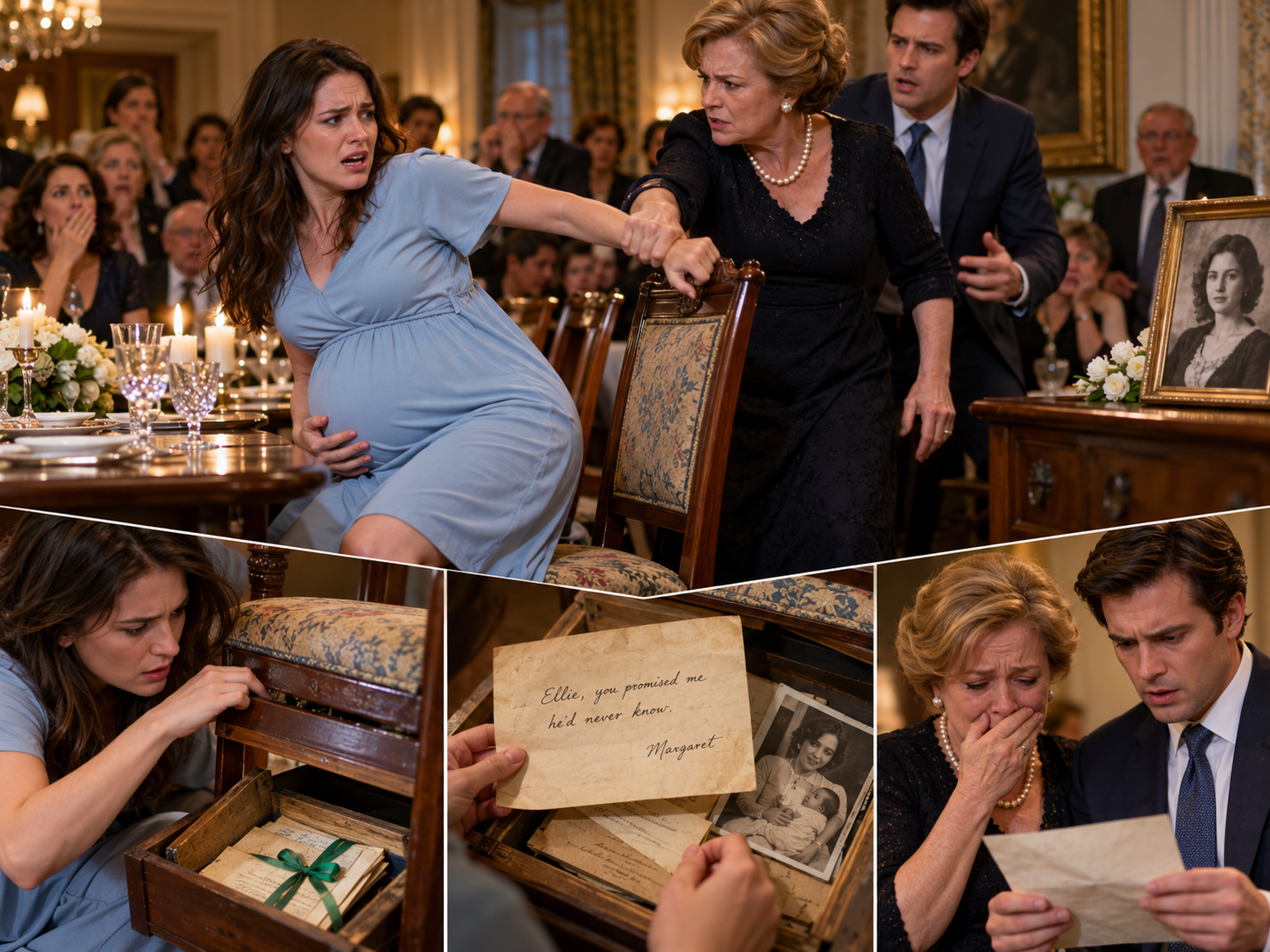
Several nearby guests glanced over.

Daniel lowered his voice.

“I should’ve stopped this months ago.”

“You ungrateful—”

“Linda.”

My voice surprised even me.

She looked at me.

“Sit down.”

Her eyes widened.

I had never spoken to her that way.

Neither had anyone else at the table.

For one second I thought she might explode.

Instead, she sat.

The speeches began soon afterward.

Sophie’s father went first.

He spoke warmly.

Simply.

He talked about the first time Sophie told him about Daniel.

“She said he listened,” he told the room. “Not just waited for his turn to speak. Actually listened.”

I saw Daniel wipe his eyes.

Then the maid of honor spoke.

Then the best man.

Laughter returned.

The room relaxed.

I watched Linda.

She was no longer listening.

She kept glancing toward the microphone.

Toward the coordinator.

Toward me.

I realized she was expecting something.

Then I remembered.

The family speeches.

Months earlier, Sophie had asked whether I would say a few words.

I had declined.

“I’ll cry,” I told her.

“You’re allowed.”

“I’ll embarrass Daniel.”

“He survived college. He can survive his grandmother.”

I had finally agreed to make a short toast.

Linda knew that.

Suddenly, she stood.

She crossed to the coordinator and whispered something.

The coordinator frowned.

Linda gestured toward me.

The coordinator shook her head.

Linda spoke again.

I could not hear the words.

But I did not need to.

A minute later, the coordinator approached our table.

“Mrs. Whitmore?”

Both Linda and I looked up.

She flushed.

“Mrs. Agnes Whitmore.”

“Yes?”

“I wanted to confirm… are you still planning to give your toast?”

Before I could answer, Linda said, “No.”

The coordinator looked between us.

I leaned on my cane and stood.

“Yes,” I said. “I am.”

Linda’s lips thinned.

“Agnes.”

Sophie reached beneath the table and squeezed my hand.

That made the decision for me.

Originally, I had planned to tell a story about Daniel at age nine.

He had once spent an entire afternoon trying to rescue a bird that had flown into my garage.

He built it a nest from a cereal box.

He cried when it finally flew away because he thought it had left without saying goodbye.

I had planned to embarrass him.

Make people laugh.

Tell Sophie she had married the kindest boy I knew.

I still wanted to say those things.

But kindness without truth becomes permission.

And I had granted too much permission in my life.

I walked toward the microphone.

Each step hurt.

Behind me, a chair scraped.

Linda.

I did not turn.

The coordinator handed me the microphone.

Applause rose.

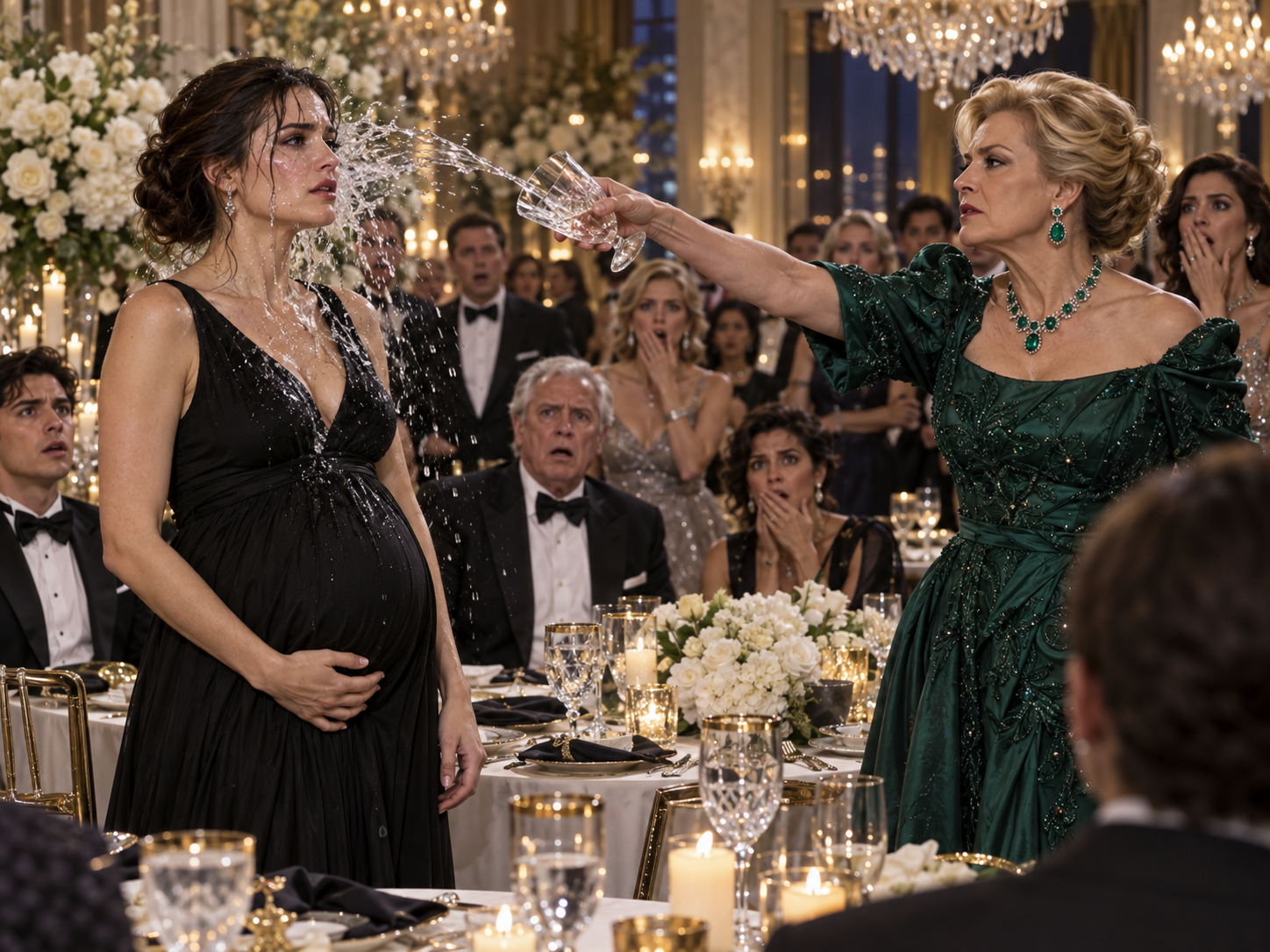
I looked out at the room.

Two hundred faces.

Daniel and Sophie at the center.

Linda standing behind them.

I began with the speech I had planned.

“When Daniel was nine years old, a sparrow flew into my garage…”

People laughed at the right places.

Daniel covered his face when I described the cereal-box nest.

Sophie smiled through tears.

I told her I had loved watching them together.

I told Daniel his grandfather would have been proud of the man he had become.

Then I paused.

Linda’s expression changed.

She knew.

Maybe she had known from the moment I stood.

“Marriage,” I said, “requires love. But love without truth becomes something else.”

The room quieted.

I looked at Daniel.

Then Sophie.

“Today I learned there have been several truths missing from this wedding.”

Linda moved toward me.

“Agnes.”

I continued.

“I was told the bride did not want me in the family photographs because I looked too frail.”

A murmur passed through the room.

Sophie stood.

“That is not true.”

Her voice carried even without a microphone.

I nodded.

“I know that now.”

Linda reached the edge of the dance floor.

“Give me the microphone.”

I ignored her.

“I was also moved from the family table without the bride or groom knowing.”

Guests began looking at Linda.

Her face flushed.

“This is inappropriate.”

Maybe it was.

But so was shoving an old woman.

So was stealing another person’s voice and calling it etiquette.

So was using love as leverage.

Linda reached me.

“Enough.”

She grabbed for the microphone.

I pulled it back.

The movement nearly threw me off balance again.

A collective gasp filled the room.

Daniel stood so quickly his chair toppled.

“Mom!”

Linda froze.

Her hand remained inches from mine.

Daniel came toward us.

He looked at his mother.

Then at the microphone.

Then at me.

I expected him to take me aside.

To tell me we would deal with everything later.

To protect the wedding.

Instead, he held out his hand.

“Grandma.”

I hesitated.

He nodded.

“Give it to me.”

I placed the microphone in his palm.

Linda whispered, “Daniel, don’t.”

He turned toward the guests.

For a moment he looked as terrified as he had in the hallway.

Then he said the sentence that changed everything.

“My grandmother gave my mother thirty-five thousand dollars because she was told I was in financial trouble.”

The room became completely silent.

Daniel looked at me.

“I wasn’t.”

Then he looked at his bride.

“And Sophie and I never knew.”

Linda stepped forward.

“Daniel—”

He raised his hand.

“No. You’ve talked enough.”

My grandson looked around at the wedding his mother had built.

The flowers.

The lights.

The champagne.

The carefully arranged tables.

Then he said, “I think everyone here deserves to know who really paid for all this.”

Linda went white.

And I knew we had reached the truth she had been trying all day to keep outside the room.