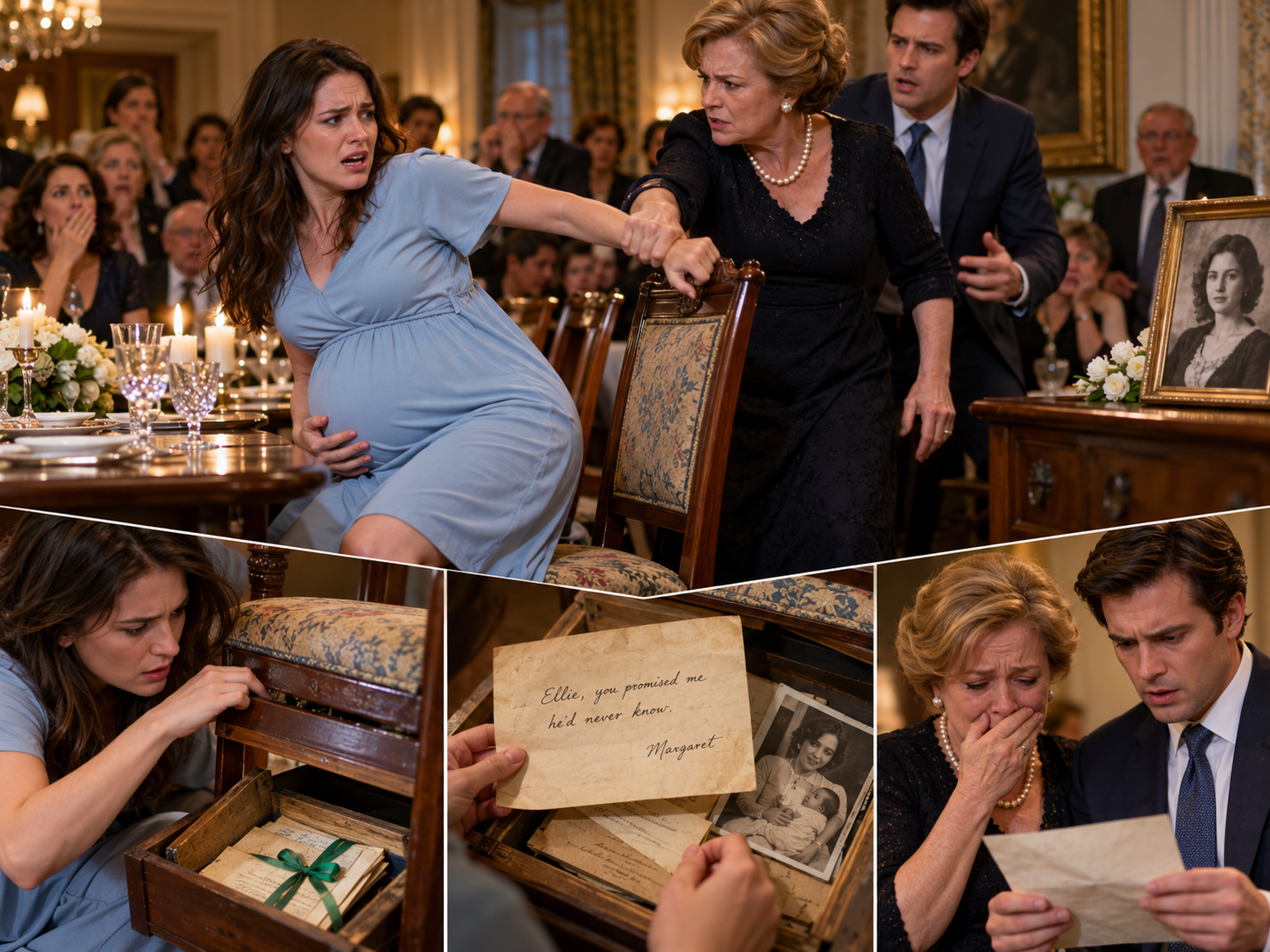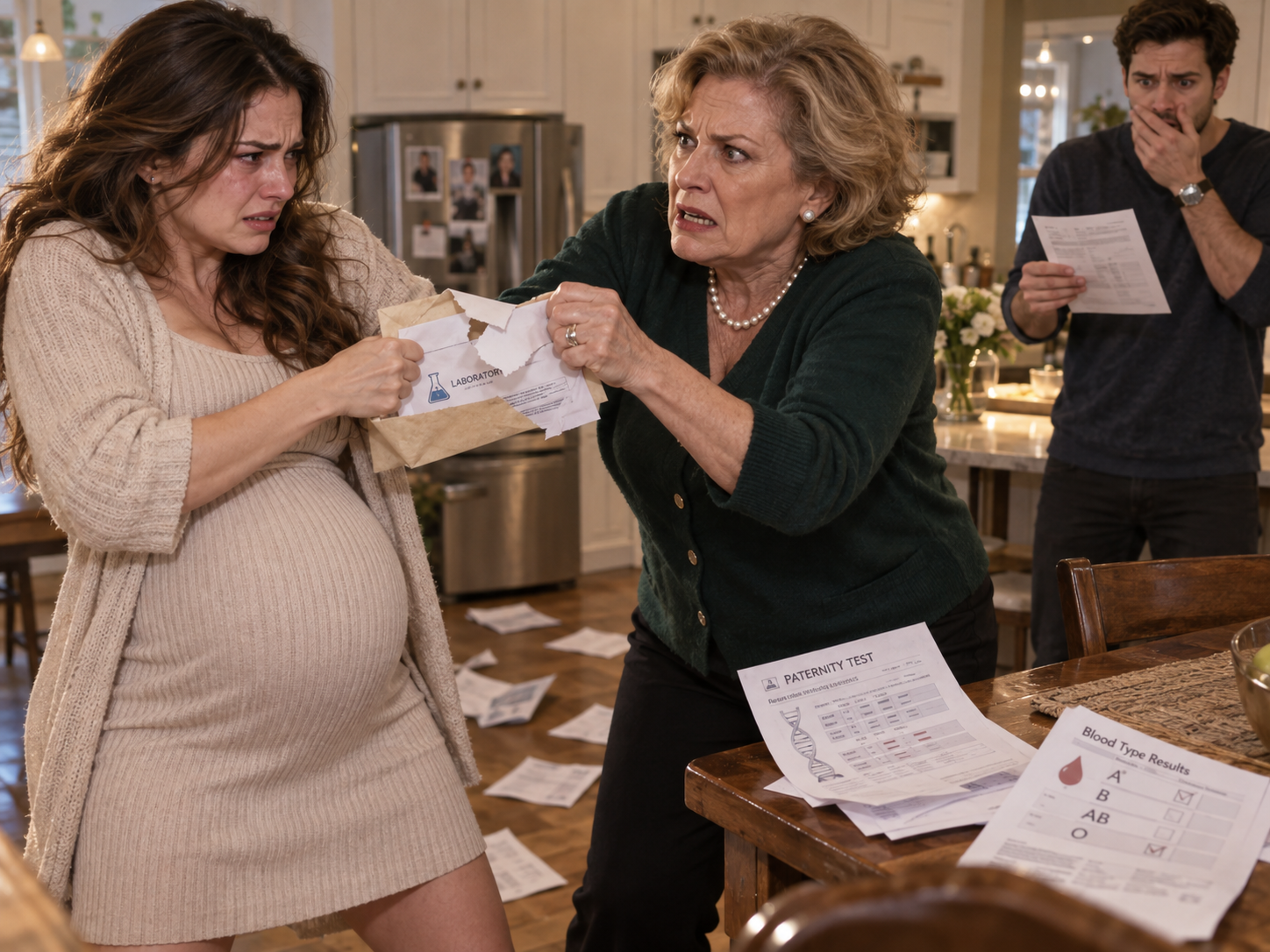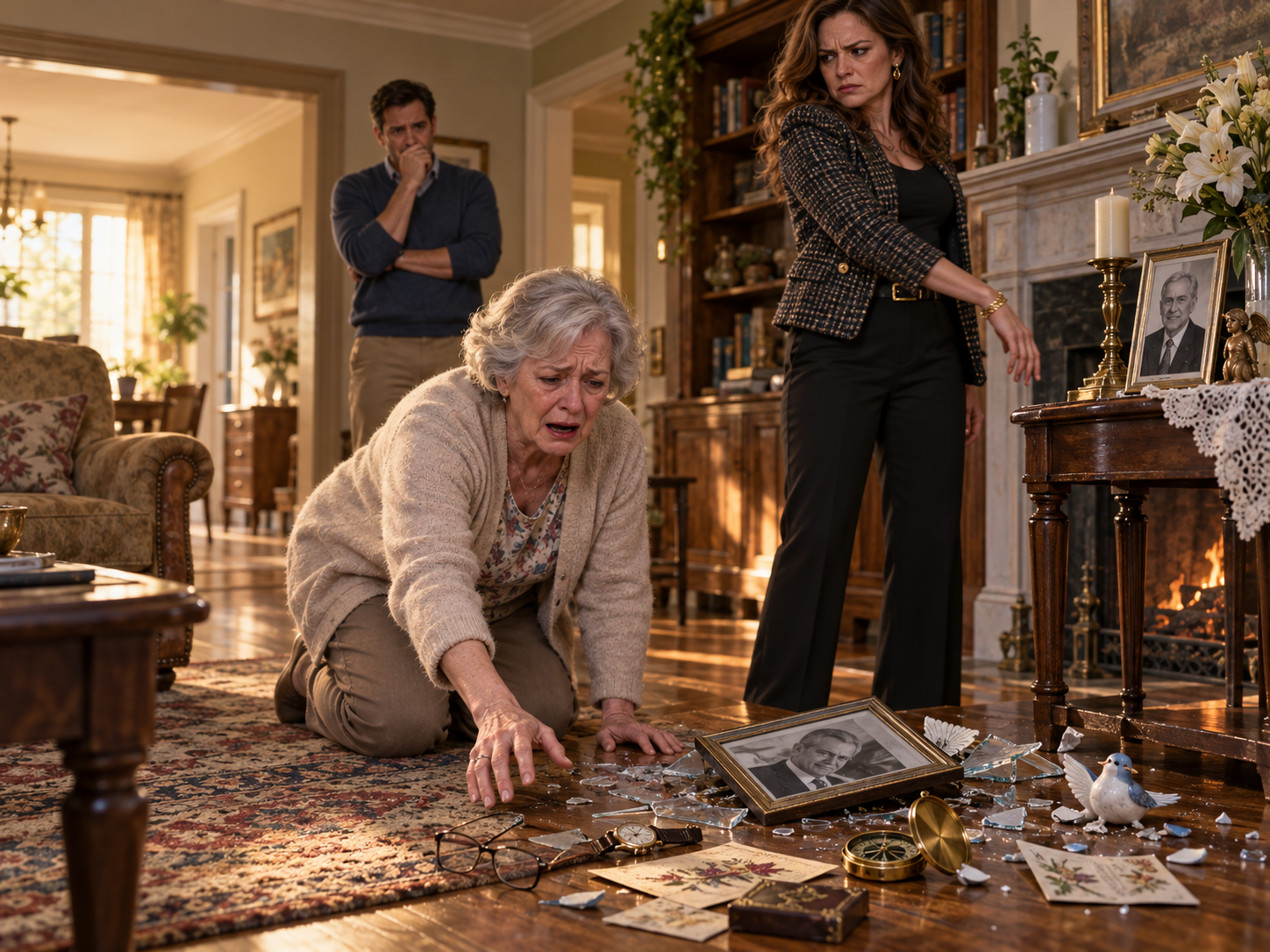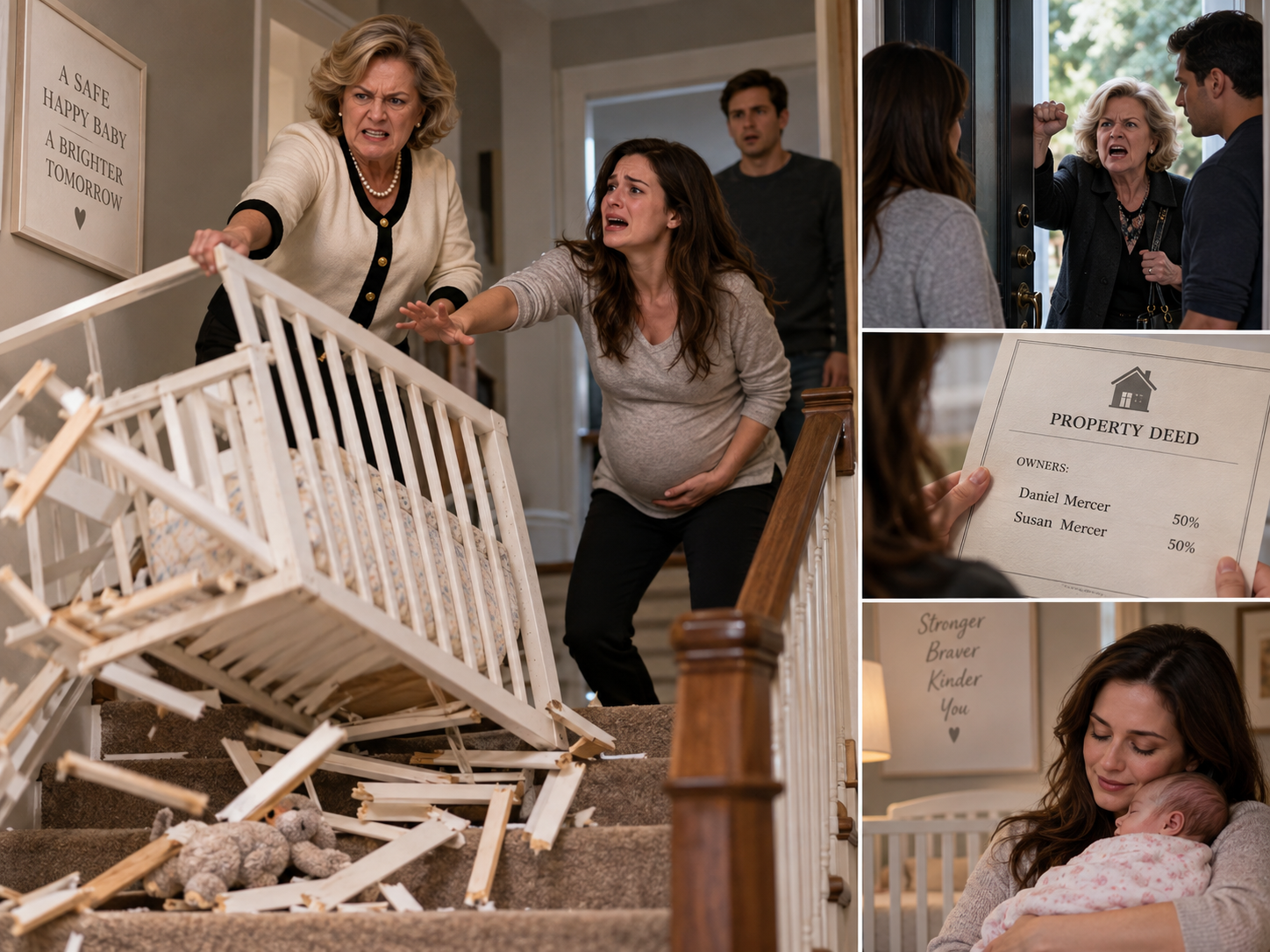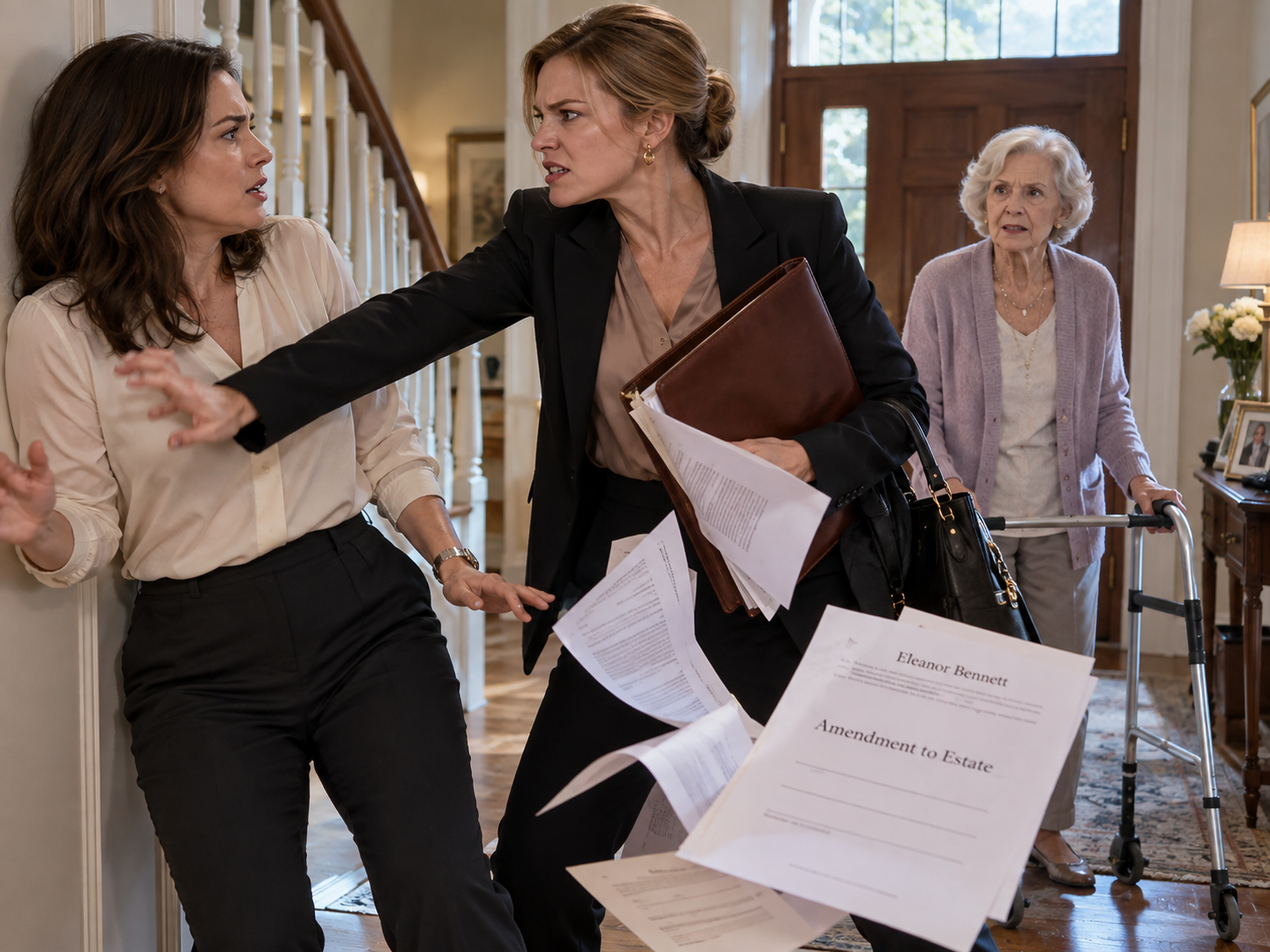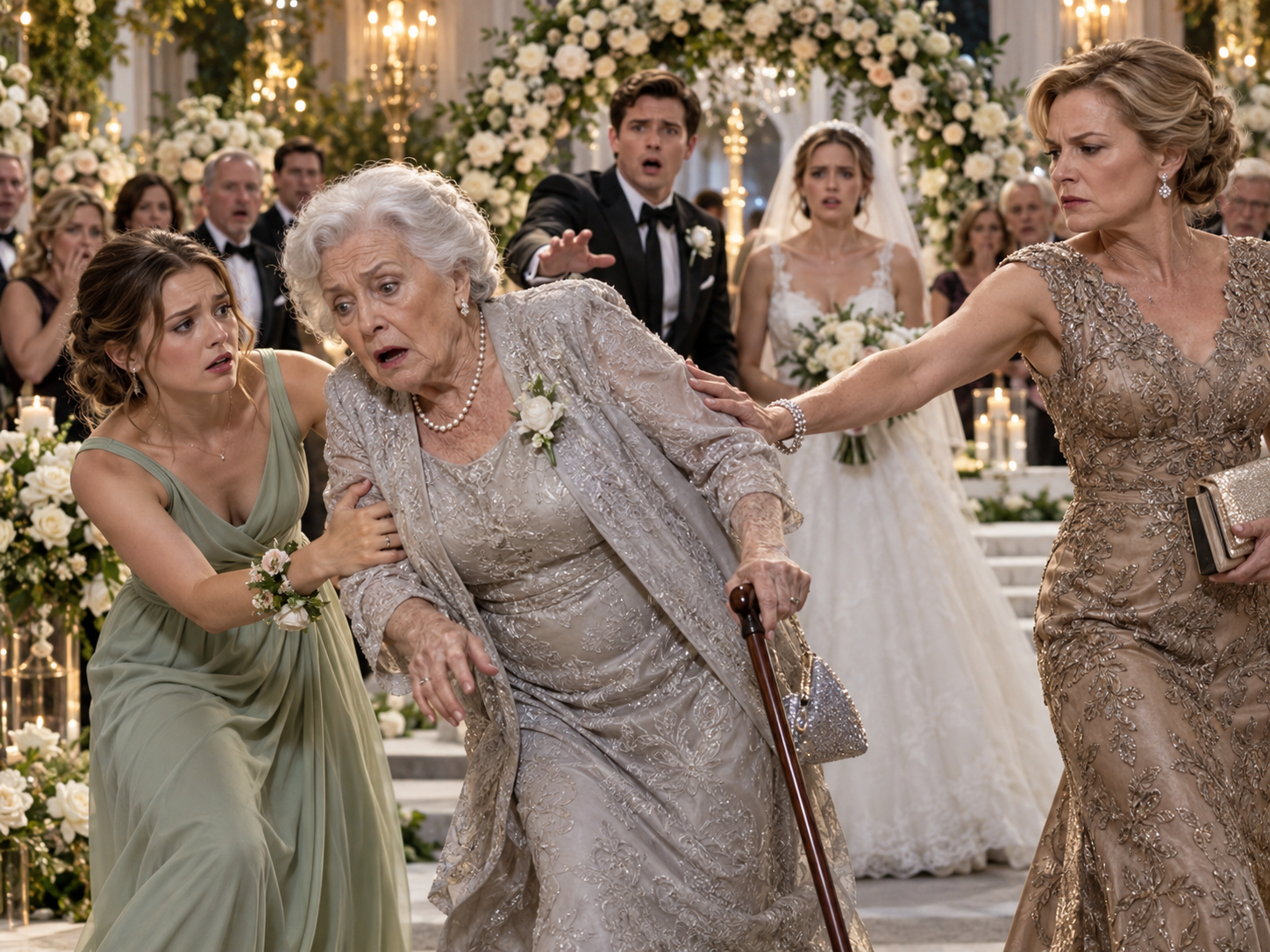
I sat in the front row.
That alone felt like an act of rebellion.
When I entered the chapel, Linda was standing beside the aisle speaking to the coordinator. She saw Emily leading me toward the family seats, and for one second, her composure cracked.
Then guests turned.
So she smiled.
That smile again.
Linda cared deeply about witnesses.
She cared about appearances.
She cared about the difference between what happened and what people believed had happened.
I had known that about her for years.
I simply had never understood how far she would go to protect the picture she had created.
Daniel entered with his groomsmen.
When he saw me in the front row, his shoulders seemed to loosen.
He smiled.
I smiled back.
Then Sophie appeared.
The room rose.
I had seen countless brides in my lifetime, but Sophie looked less like a woman playing a role and more like someone trying to hold onto herself while everyone watched.
She looked directly at Daniel.
Then she glanced at me.
Her smile became real.
That was when I knew, without any doubt, that Linda had lied.
During the vows, I tried to focus on the words.
Love.
Trust.
Partnership.
Truth.
Funny how simple words can become unbearable when someone in the room has spent the day destroying their meaning.
When Daniel promised to honor Sophie, his voice broke.
I remembered him at six years old, presenting me with a dandelion because he had heard flowers made women happy.
I remembered teaching him to bake bread.
I remembered the summer his parents nearly separated and he slept at my house for three weeks without ever being told the real reason.
Linda and I had not always hated one another.
That would have been easier.
When my son Michael first brought her home more than thirty years earlier, she had been shy and eager to please. She called me Mrs. Whitmore until I told her that if she was going to marry my son, she could call me Agnes.
For a while, I believed we might become close.
Then life became a competition I had never agreed to enter.
If I bought Daniel a winter coat, Linda replaced it with another.
If Daniel spent Saturday with me, she suddenly had plans for him the following Saturday.
If I cooked Thanksgiving dinner, Linda arrived with three extra dishes and apologized loudly because she “wasn’t sure there would be enough.”
Nothing was ever openly cruel.
Not then.
It was all correction.
Replacement.
Control.
Michael died eleven years before Daniel’s wedding.
Cancer.
Quick at the end.
My son’s death should have brought Linda and me closer.
Instead, after the funeral, she began treating every memory I had of him as if I were trespassing on something that belonged only to her.
I tried to understand.
Grief makes strange creatures of us.
So I gave her space.
Then I gave her more.
Perhaps too much.
After the ceremony, we moved outside for photographs.
The photographer, a kind man named Marcus, looked down at his printed list.
“Grandmother of the groom?”
I raised my hand.
Sophie immediately came to me.
“You’re with us.”
Linda stood near the edge of the group.
She said nothing.
For the first time that day, I saw what silence looked like on her.
It did not look like defeat.
It looked like calculation.
Marcus positioned me beside Daniel.
My grandson put an arm around my shoulders.
“You okay, Grandma?”
There was no time for the whole truth.
So I said, “I’m standing.”
His smile faded slightly.
He looked at my cane.
Then at his mother.
I wondered what he knew.
The photograph was taken.
Then another.
Sophie leaned close to me.
“Don’t disappear after dinner.”
“I won’t.”
“I mean it.”
Her eyes moved toward Linda.
Something in her expression made me say, “What has been happening?”
Sophie’s lips parted.
Before she could answer, the wedding coordinator called her away.
I watched her go.
Then I saw Linda speaking to a man beside the reception hall doors.
He was holding a clipboard.
She pointed toward the ballroom, then toward the floral arrangements, then toward the ceiling.
He nodded repeatedly.
A few minutes later, I heard her say, “I am paying for this. Fix it.”
The sentence should have meant nothing.
Everyone knew Linda had been heavily involved in the wedding.
She had mentioned the cost often.
The venue.
The flowers.
The string quartet.
The photographer.
The five-course meal.
The custom champagne labels.
She had talked about every expense as if sacrifice itself were a crown.
“I want Daniel to have the wedding his father would have given him,” she had told me months earlier.
At the time, I had felt guilty.
Because I had not contributed much.
At least, I believed I hadn’t.
Six months before the wedding, Linda had called me in tears.
She told me Daniel was in financial trouble.
Not catastrophic, she said.